
Safer Ways to Pay: Modern Alternatives to Paper Checks
04/13/2026
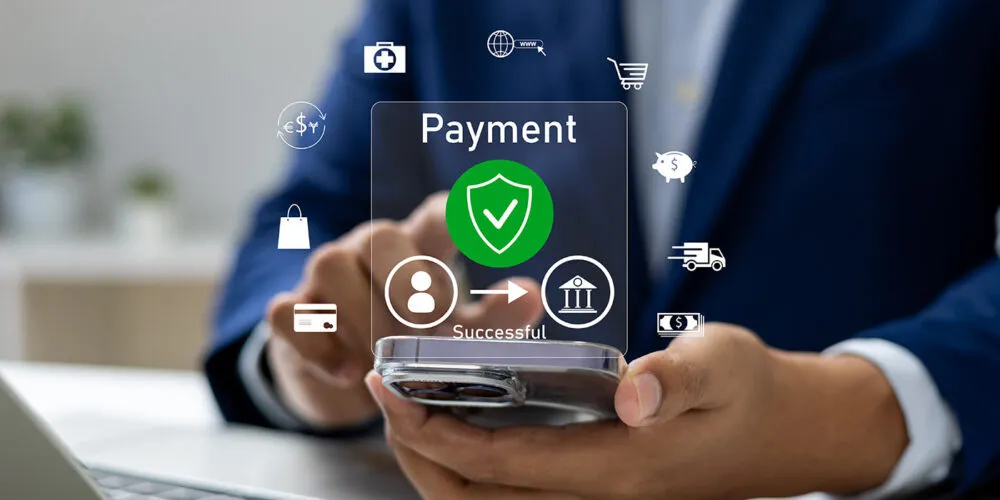
Paper checks have long been the traditional way to pay bills, but they’re increasingly vulnerable to fraud. One common tactic—check washing—involves criminals stealing checks from the mail and using chemicals to alter the payee and amount. Fortunately, digital payment options offer safer, faster and more convenient ways to manage your money.
Online Bill Pay
Most banks, including Bank of New Hampshire, offer Bill Pay through online and mobile banking. This service allows you to schedule one-time or recurring payments directly to businesses—such as utilities or credit cards—without writing a check. Payments are processed electronically whenever possible, reducing the risk of interception, while providing confirmation and a clear transaction history.
Person-to-Person (P2P) Payments
P2P services—often built into your bank’s mobile app—make it easy to send money securely using a mobile number or email address. These transfers are fast and secure, but it’s important to verify the recipient, as payments are typically immediate and difficult to reverse.
Electronic Alternatives
When paying bills on a vendor’s website or mobile app, you’ll usually have several options:
- Mobile Wallets (Apple Pay, Google Pay and Samsung Pay) – Use tokenization, meaning your card information is never shared with the vendor, adding a strong layer of protection.
- Debit Cards – Easier to replace than your bank account number. Using a debit card is a safer practice because if compromised, you can simply request a new card instead of having to open a new account.
- Automated Clearing House (ACH) Payments – Safer than checks but does require sharing your account number to a third party, which could be exposed if the vendor were a victim of a data breach.
Why Switch to Digital Payments?
Digital payments reduce the risk of mail theft and check fraud while offering greater convenience. You can schedule payments, receive alerts and monitor account activity in real-time. Many platforms also include fraud detection tools and multi-factor authentication for an added layer of protection.
Keep in mind that checks contain more sensitive information─such as your name, address and account number─while digital payments limit the information shared.
Tips for Staying Secure
- Use strong, unique passwords and enable multi-factor authentication.
- Regularly review your account and set up alerts in online and mobile banking.
- Only send payments to trusted recipients.
- Avoid accessing financial accounts on public Wi-Fi.
Moving away from paper checks is a simple step that can reduce your fraud risk. With secure digital tools at your fingertips, managing payments has never been easier—or safer.
To stay on top of current fraud trends, visit our Fraud Prevention page and download our Fraud Prevention Guide.